
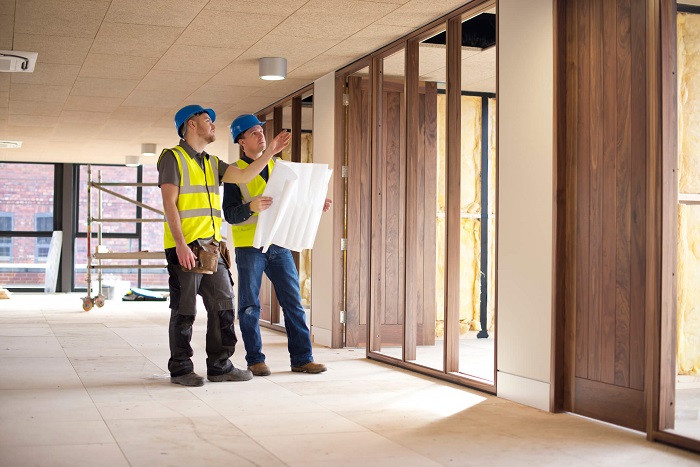
Office renovations require strict adherence to a number of regulatory requirements and regulations that ensure the safety, comfort, and functionality of workspaces. Proper planning and execution of renovations helps avoid potential future problems, improve employee productivity, and ensure compliance with sanitary and fire safety standards.
For a more complete understanding of all the nuances and details, please visit https://asapreno.ca/ for specialized regulations and recommendations. It is essential to carefully familiarize yourself with existing standards, material requirements, and safety precautions. Compliance with regulations and standards is the key to successful and safe office renovations.
Step-by-Step Preparation of Design Documentation for Office Renovations
Before commencing renovations in office premises, it is necessary to prepare comprehensive design documentation, including all necessary drawings and technical specifications. This stage requires careful attention, as proper documentation will ensure the renovation is completed in accordance with regulations and the client’s requirements.
The process of preparing design documentation includes several sequential steps, each of which is important for the successful implementation of the project and compliance with all building standards. Thoughtful execution of each stage helps avoid potential errors and delays during the renovation process.
Stages of Design Documentation Preparation
- Analysis of initial data and client requirements. At this stage, all necessary information is collected about the current condition of the premises, its layout, utility systems, and the client’s wishes.
- Development of technical specifications. A clear description of the project’s goals and objectives is developed, the main renovation parameters and interior requirements are defined.
- Creation of conceptual sketches and a design project. Preliminary visual solutions, layout schemes, and furniture arrangements are developed.
- Preparation of working drawings and diagrams. Detailed plans, cross-sections, utility and electrical wiring diagrams are created in accordance with regulatory requirements.
- Project documentation approval. The project is coordinated with the client and regulatory authorities, and any necessary adjustments are made.
- Preparation of technical specifications and specifications. Specifications of materials, equipment, and installation elements are created, ensuring the appropriate selection of resources for project implementation.
Technological Standards and Regulations for Workspace Reconstruction
When renovating office spaces, it is important to strictly adhere to existing technological standards and regulations governing the safety, comfort, and functionality of employees. These standards ensure that the reconstructed space complies with legal requirements and industry recommendations, thereby contributing to the creation of an efficient and safe work environment.
During the renovation process, it is necessary to consider regulatory documents such as building codes and regulations (SNiP), sanitary and fire safety requirements, as well as electrical safety and energy efficiency standards. Compliance with these rules helps reduce the risk of emergency situations and ensures the durability and quality of the work performed.
Key Requirements and Standards for Workspace Reconstruction
- Safety and Evacuation Routes: Ensuring free passage to emergency exits and the presence of fire barriers in accordance with regulations.
- Ventilation and Climate Control: Organizing a ventilation and air conditioning system according to standards that guarantee employee comfort and health.
- Electrical Wiring and Lighting: Installing appropriate electrical wiring in accordance with current regulations, as well as providing sufficient and energy-efficient lighting.
- Accessibility and Inclusion: Complying with accessibility requirements for people with disabilities, including the presence of ramps and special elevators.
- Soundproofing and Acoustics: Using standard solutions to reduce noise levels and ensure comfortable working conditions.
During reconstruction, it is also important to consider Regional characteristics and local regulations may further govern the requirements for the design and operation of office spaces.
Fire Safety and Evacuation Route Requirements
Evacuation routes and exits must be designed to quickly and safely evacuate all occupants of the premises if necessary. Proper design and regular maintenance of these routes are the key to a successful emergency response.
Basic Fire Safety and Evacuation Requirements
- Ensuring Clear Passage: All evacuation routes must be clear from obstacles, furniture, communications and other objects. The width of the paths must comply with regulatory requirements – at least 1 meter.
- Evacuation Route Designation: Evacuation exits and routes must be clearly marked with light and tactile signs, visible, and easy to read.
- Fire Extinguishing Equipment: Fire extinguishers, training alarms, and automatic fire extinguishing systems appropriate to the class of potential fires must be installed in the premises.
- Regular Training: Personnel must regularly undergo evacuation training and drills, as well as check the functionality of security systems.
- Evacuation Route Monitoring: Periodically inspect and maintain fire safety systems, and check the functionality of lighting, fire extinguishers, and alarms.
A responsible approach to fire safety and regular updating of protective measures are the key to the successful operation of office premises and the safety of everyone inside.