
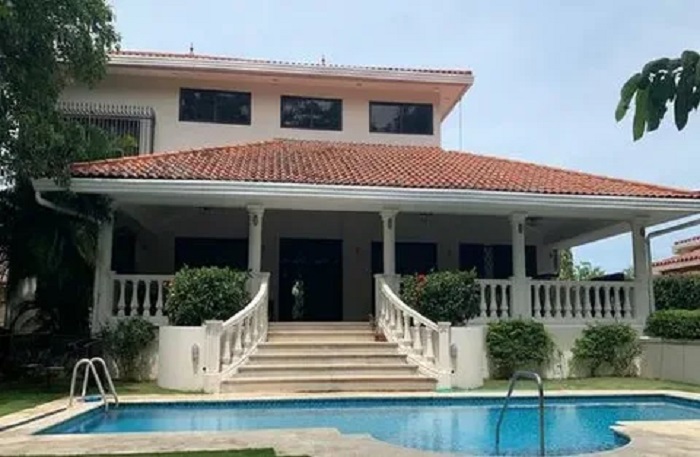
Panama attracts property buyers with a combination of a stable dollar economy, convenient logistics and a variety of facilities: from urban apartments to oceanfront villas. For many, not only prices are important, but also transparency of transactions, clear ownership rules and the ability to combine purchase with long-term life plans.
The market here is heterogeneous: conditions in Panama City differ from coastal areas and mountain settlements, and the legal nuances depend on the type of ownership and the status of the land. A smart choice begins with understanding the requirements for the buyer and checking the documents, and then with comparing the goals, budget and actual cost of ownership.
How to choose an object: strategy and practical criteria
The choice of real estate in Panama is conveniently based on the purpose: accommodation, seasonal holidays, investment for rent or a combined format. Fundamentally different solutions can be found for the same budget, for example, compact apartments in business districts and a spacious house in a less touristic location.
Location: for life, rent and resale
Urban sites are more often chosen for their infrastructure and access to work, medicine, and services; coastal sites for recreation and potential demand for short–term rentals; and mountainous areas for their climate and tranquility. It is important to assess the transport accessibility, security of the area and the development plans of the territory.
- Panama City: convenience, services, long-term rental potential.
- Coast: recreation, seasonality of demand, service requirements.
- Mountainous areas: climate, quiet, less liquidity in certain areas.
Type of facility and actual cost of ownership
In addition to the purchase price, consider regular payments: maintenance of the building/complex, security, swimming pool and common areas, insurance, repairs and depreciation. For houses by the ocean, resistance to humidity, the quality of engineering systems and the budget for site maintenance are important.
Selection practice: it is better to compare 3-5 objects in the same category and record the same set of parameters – this makes it easier to see the overestimated expectations of the seller and the underestimated costs of the buyer.
New building or secondary market
New buildings are attractive in installments and modern layouts, but they require careful attention to deadlines, the reputation of the developer and the details of the contract. The secondary market can give a more predictable result: you can see the real condition of the house and the actual payments, but you need to carefully check the history of the object and possible hidden defects.
- New building: verification of the developer, payment schedule, and terms of delivery.
- Secondary: technical inspection, repair history, debts and fees.
Search for offers and secure deal
When selecting ads and working with agents, it is worth focusing on the transparency of documents and the quality of communication. Request a list of expenses before signing, specify what is included in the price, and agree on the payment procedure in advance. The wording real estate for sale in panama is sometimes found in market inquiries, but the crucial thing is not the advertising title, but the verifiable facts: ownership, no encumbrances and a clear registration mechanism.
The final checklist : determine the purpose of the purchase, narrow down the locations, compare the total cost of ownership, conduct a legal review of the title and record the terms of the transaction in writing – this makes the choice informed and the purchase in Panama predictable.
Who has the right to buy objects: alien status, age, legal capacity
The right to purchase real estate in Panama in most cases does not depend on citizenship.: Foreigners can purchase residential and commercial properties on comparable terms with local buyers. In practice, the correct registration of ownership rights and compliance with transaction procedures are of key importance.
Restrictions are usually related not to the status of a foreigner, but to the buyer’s legal capacity: age, legal capacity, and authority to sign documents. These criteria determine whether a person can make a deal on their own or whether a legal representative will be required.
Customer requirements
- Alien status: Foreign citizens have the right to buy real estate and register ownership in their name. It is important that the buyer’s identity is properly identified in the documents, and the signatures are executed in accordance with the requirements of the transaction.
- Age: The buyer must be of legal age in order to independently conclude a contract and manage the property. If the object is purchased in the interests of a minor, registration usually requires the participation of a legal representative and additional supporting documents.
- Legal capacity: the transaction assumes that the buyer understands the significance of his actions and can direct them. If there are restrictions on legal capacity or established guardianship mechanisms, the purchase can only be carried out through an authorized person and subject to the formalities confirming such authority.
- Purchase through a representative: if the transaction is not signed by the buyer himself, a document confirming the representative’s authority (for example, a power of attorney) is required, as well as the correct identification of the parties in the contract.
- Purchase for a company: when registering for a legal entity, confirmation of the rights of the company and the powers of the signatory (who has the right to act on behalf of the company) is required.
Bottom line: in Panama, foreigners can usually purchase real estate without special “status” restrictions, but the formal criteria of legal capacity remain crucial – age of majority, legal capacity and confirmed authority when signing documents. The more precisely these requirements are met at the start, the lower the risk of delays in registration and subsequent disputes over ownership.