
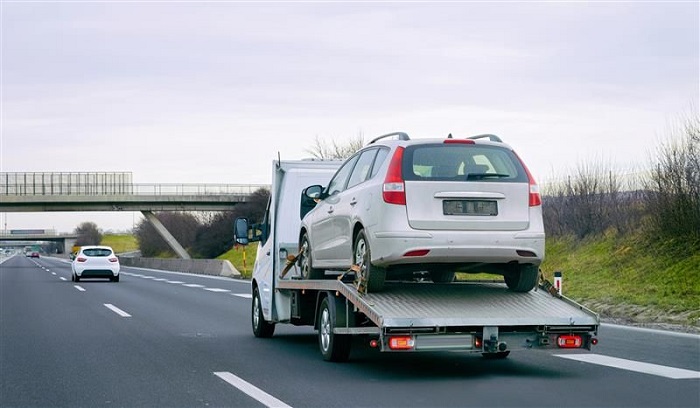
Vehicle towing procedures are governed by certain standards and regulations aimed at ensuring the safety of road users and the security of property. Compliance with established requirements by both towing services and vehicle owners is crucial to avoid conflicts and penalties. Learn more about towing on https://mtstowing.ca/ to understand the nuances of the procedure and the necessary steps.
Choosing the Right Vehicle for Towing: Technical Parameters and Standard Compliance
When choosing a vehicle for towing, it is important to consider its technical specifications and compliance with established safety and reliability standards. Properly selected equipment ensures the timely and safe transportation of damaged, broken, or improperly parked vehicles, minimizing the risk of additional damage and ensuring compliance with legal requirements.
The technical parameters of towing equipment should include the load capacity, platform length and width, as well as the availability of additional load securing and stabilization systems. It is important that the selected vehicle has all the necessary certificates and complies with the regulations for special-purpose vehicles, ensuring its reliable operation and compliance with all safety requirements.
Key Parameters and Standards for a Recovery Vehicle
The load-bearing capacity must correspond to the weight of the vehicle being transported, with at least a 10-15% margin to ensure safety and stability. Additional systems, such as hydraulic lifts, tie-down systems, and braking mechanisms, improve efficiency and safety.
Standards and certificates are set out in documents regulating the operation of recovery equipment, such as GOST standards and technical regulations. These require verification of the conformity of materials, design solutions, and performance characteristics, ensuring the safety of both the operator and others.
Registration Procedure: Required Documents and Procedure for Service Employees
Proper execution of the process also includes a sequence of actions by service employees, maintenance personnel, and vehicle owners. In the next section, we will review the main steps and a list of required documents for successful completion of the towing procedure.
Key Steps and Required Documents for Towing Processing
- Vehicle Identification: Checking the registration, driver’s documents, and registering the vehicle.
- Documents for the owner: Vehicle registration certificate, passport, or other identification document of the buyer or owner.
- Preparing the towing report: The employee prepares the relevant reports and receipts confirming the towing.
- Completing the towing report: It records the reasons for the towing, date, time, and location of the procedure.
- Transferring documents to the owner: After completing the procedure, the owner receives copies of all completed documents.
Procedure for the Service Employee During a Towing
- Inspect the vehicle and record it Condition.
- Check that the owner has all necessary documents and that they are properly completed.
- Record the reason for the towing in the relevant reports and documents.
- Transport the vehicle to a designated parking lot or by tow truck.
- Ensure that the documents are handed over to the owner and that they are informed of further actions.
The towing procedure is governed by established rules and requires that the service staff adhere to procedures and that the documents are completed correctly. This ensures the legality and transparency of the process, as well as the protection of vehicle owners’ rights. Knowledge and strict adherence to these rules help minimize potential conflicts and expedite the process of returning the vehicle to the owner.